Lawyer specialized in tenant pre-emption rights and SAFER pre-emption rights
●Rural leases
●Control of structures
●SAFER
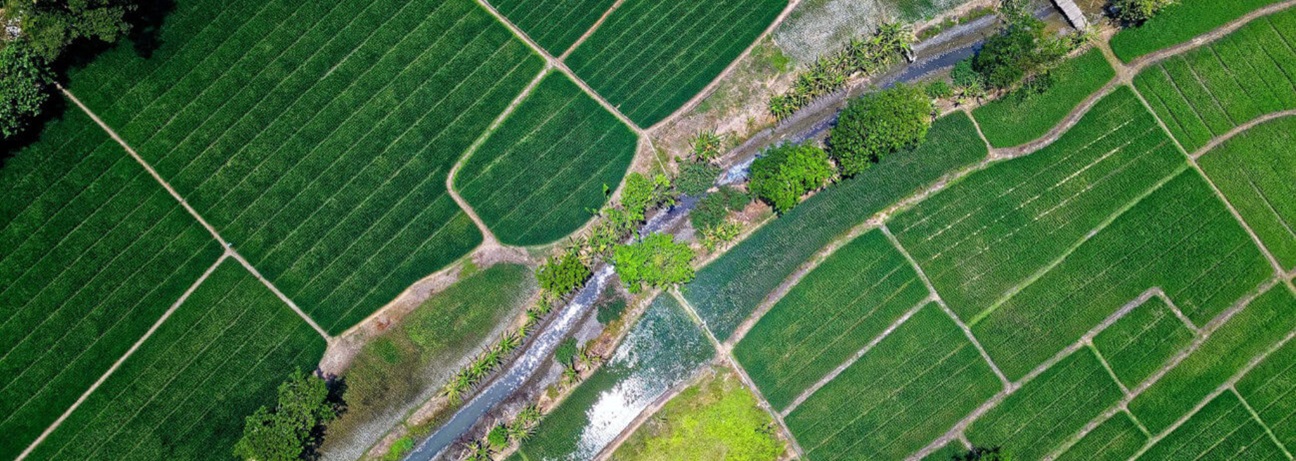
You wish to acquire agricultural land and wonder if the SAFER can exercise its right of preemption? You are a farmer and you are wondering about your rights in the event of the sale of the plot you lease? Lawyers specialized in the right of preemption of the tenant and preemption of the SAFER, we are at your disposal to defend your interests and help you assert your rights.
Pre-emption rights are a legal mechanism that allows certain persons or entities to acquire property in priority over other potential buyers. In rural matters, it is particularly important because it aims to maintain agricultural operations and preserve farmland. Whether you are a farmer, seller-owner or buyer, you can rely on our expertise in rural law to secure your real estate transactions.
Specialist lawyer for the right of pre-emption of the agricultural tenant
The rural tenant, i.e., the farmer who operates agricultural land, benefits from a special right in the event of a sale of the property: the right of first refusal. This allows them to acquire the property in priority over any other buyer, subject to certain conditions. In other words, the rural tenant's right of first refusal allows the agricultural tenant to acquire the land they operate as a priority when the owner decides to sell it.
What conditions must the lessee fulfill?
To benefit from the right of pre-emption, the tenant must be holder of a lease entirely governed by the farm tenancy status. Consequently, an operator with a lease for "small plots" cannot claim this right (Article L 412-3, last paragraph), unless an agreement between the tenant and the landlord has contractually extended the farm tenancy status to the contract.
In addition to holding the lease, the tenant must meet several criteria. Firstly, he must have at least three years of experience in the agricultural sector. This concept is interpreted broadly: the individual may have been a farmer, a farmer's spouse, a family helper or even an employee of a farm.
Thus, a farmer signing a rural lease can immediately claim the right of pre-emption, provided they have practiced this profession for at least three years prior. Secondly, the tenant must have personally operated (or through their family) the land being sold. If they have sublet the plot in question, they automatically lose the right of pre-emption for it.
Thirdly, he must not own land whose area exceeds three times the control threshold defined by the Regional Master Plan for Agricultural Holdings (the threshold beyond which an operating permit is required). The right of pre-emption of the agricultural tenant is therefore reserved for farmers who do not hold too large a surface area in ownership.
If any of these conditions are not met, the farm tenant cannot exercise his right of pre-emption. As specialist lawyers in the right of pre-emption of the farm tenant, we assist you in verifying the existence of this right, meeting the required conditions and exercising your right within the prescribed deadlines.
What are the conditions relating to the rural property?
For the tenant to be able to preempt, it is essential that the property concerned is an agricultural real estate property. This category notably includes:
- land, whether cultivated, fallow, or pasture;
- buildings intended for agricultural operations;
- housing integrated into a farm;
- wooded plots leased incidentally with agricultural properties;
- movable property considered as immovable by destination within the meaning of Article 524 of the Civil Code, i.e., items "that the owner has placed on his land for its service and operation" (for example, livestock or agricultural equipment also leased to the tenant).
Our lawyers specialized in the tenant's pre-emption right in rural leases help you verify the existence of this right, meet the required conditions, and exercise your right within the prescribed deadlines. We also advise you on challenging a decision opposing pre-emption.
What is the procedure for exercising the tenant's right of pre-emption?
The owner-seller is required to officially inform the lessee (tenant) of their project to sell the property, specifying the conditions thereof, in particular the asking price and the terms of payment. They must notify the sale to the lessee by registered letter with acknowledgment of receipt. The lessee has a period of two months from receipt of the letter to make known their decision to acquire the property or not.
During this period, he must assess whether he intends to use his right of pre-emption. He may seek the advice of our team of lawyers specialized in the tenant's right of pre-emption in rural leases, analyze his purchase options, and verify his ability to finance the acquisition of the property. If he chooses to pre-empt, he must inform the owner in writing before the expiry of the set deadline.
This declaration must include essential details, such as the accepted price and payment terms. The two parties then proceed to conclude the sale according to the agreed terms. This generally involves signing a deed of sale, payment of the price and transfer of ownership of the property to the tenant. If the tenant exercises their right of pre-emption, they become the owner of the property under the conditions of the sale.
At Macfarlanes LLP, our expertise in rural law allows us to advise you on:
- the procedure for notifying the buyer of the sale;
- the tenant's response deadlines;
- the consequences of exercising the right of pre-emption.
Our team informs you of your rights and obligations regarding the tenant's right of pre-emption. We also assist you in drafting the deeds and necessary notifications. We also represent you before the courts in the event of a dispute with the owner or other potential buyers.
Specialist lawyer in SAFER pre-emption rights
SAFERs are organizations whose mission is to promote agriculture and protect the environment. As we have just seen, a farmer with a rural lease can, under certain conditions, exercise a right of pre-emption. At the same time, SAFER has its own right of pre-emption over sales of agricultural property.
The SAFER pre-emption right helps promote the establishment of young farmers, combat land concentration, and preserve natural areas. SAFER exercises this right to acquire property in priority over other buyers, in order to transfer it to farmers or use it for projects of general interest.
The conflict between the tenant's right of pre-emption and that of the SAFER
It is entirely possible for SAFER to exercise its right of pre-emption even if the property subject to the sale is under a rural lease. In this case, the two pre-emption rights — that of the tenant farmer and that of SAFER — come into conflict. It is the second paragraph of Article L 143-6 of the Rural Code that resolves this conflictual situation.
The SAFER's right of pre-emption cannot be exercised against the sitting tenant, their spouse or their descendant who has been regularly subrogated in accordance with the provisions of Article L 412-5 of the Rural Code, unless the tenant has been farming the property for less than three years. Moreover, to satisfy this duration condition, the years of farming by the spouse or by a predecessor of the tenant may be taken into account.
Thus, only the pre-emption right of the agricultural tenant farming the pre-empted land for more than three years takes precedence over the SAFER's pre-emption right.
What does the SAFER's right of preemption consist of?
The right of pre-emption allows SAFERs to effectively fulfil their missions. This is why these bodies must be systematically informed by notaries of the sale of a rural holding. Thanks to this right, SAFER can decide to acquire a property as a priority, by substituting itself for the initial buyer.
This mechanism then allows it to resell the property to another beneficiary, selected by the local SAFER commission, whose project better aligns with land development objectives.
SAFER may exercise its right of pre-emption on:
- agricultural land;
- farm buildings;
- the total transfer of shares in agricultural companies;
- undivided rights over agricultural property.
It thus acquires agricultural or rural properties to transfer them to farmers, local authorities, public bodies, but also to individuals, companies, associations, etc. Our lawyers specialized in SAFER pre-emption law help you understand the implications of this prerogative. Our team supports you in appeals against a pre-emption decision or in negotiating the acquisition conditions of a property subject to this right.
What are the remedies against a SAFER preemption decision?
When exercising its right of pre-emption, SAFER must justify its decision and comply with a strict legal framework. A seller-owner or a thwarted buyer can challenge this decision in court if they believe the conditions were not met. Lawyers specialized in SAFER pre-emption law, we assist you in analyzing the legality of the decision, gathering the necessary elements, and initiating the appropriate procedures to defend your interests.