Minor adaptations in urban planning: when 85 cm makes all the difference
Published on September 17, 2025

Urban Planning
Urban Planning
Urban Planning

In urban planning, every detail counts. A slightly exceeded height, a constrained layout due to sloping land… and sometimes the entire building permit is called into question.
Yet the French Urban Planning Code provides a solution that is too often overlooked: minor adaptations.
This possibility does not transform the rules of the PLU into flexible options: it exists solely to adjust them when they cannot mechanically apply to the land.
85 cm accepted… 20 cm refused: the logic of the administrative judge
In matters of minor adaptations, everything is a matter of reason before being a matter of numbers. The judges demonstrated this through two complementary decisions that almost mirror each other.
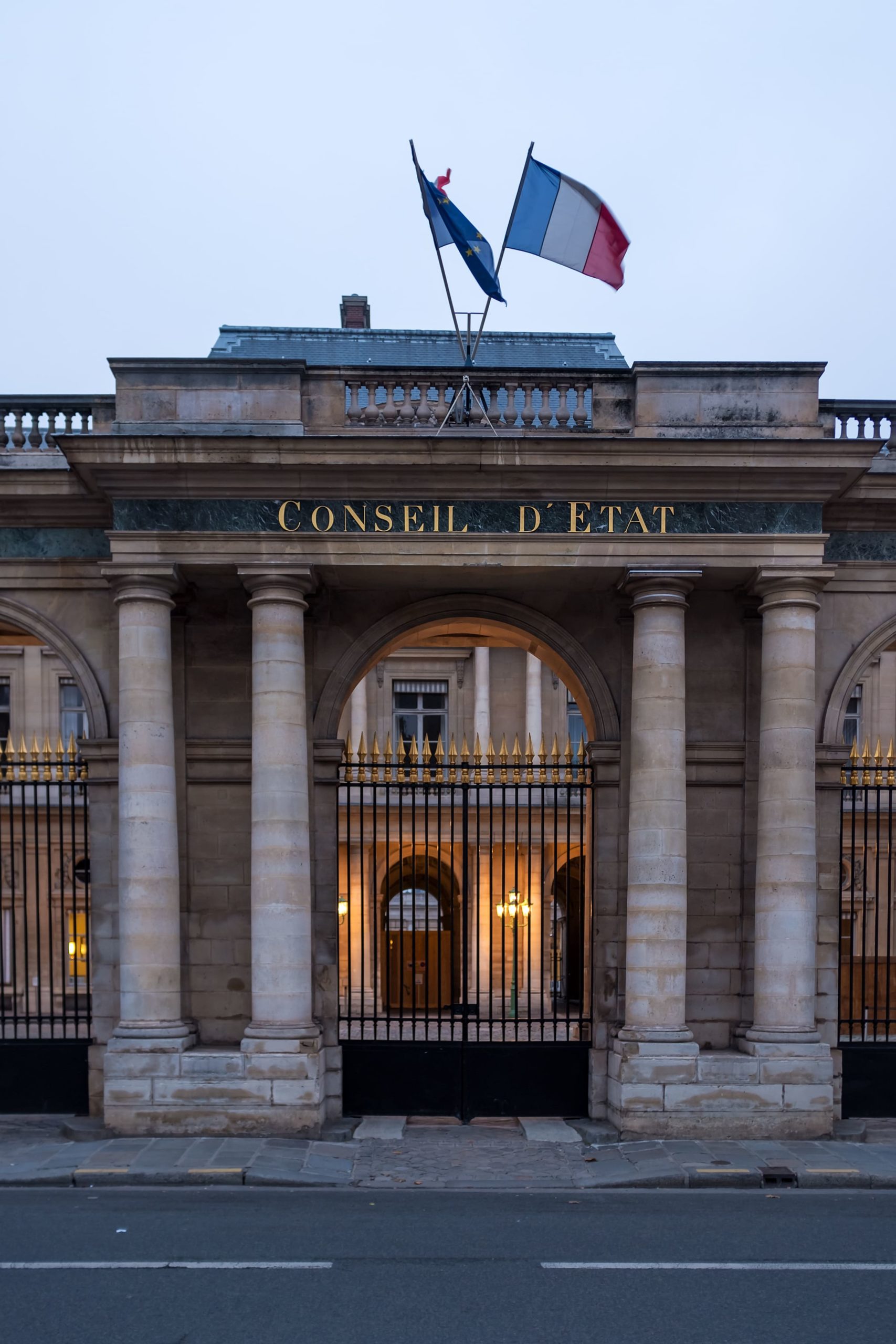
In the first (Conseil d’Etat, 1 SS, 15 November 2000, n°194649), the PLU regulation set a maximum height of 7 m. The planned house reached 7.85 m at the level of the dormers. An exceedance of 85 cm.
At first glance, the discrepancy seemed significant. But the Council of State admitted the permit's regularity, because the excess was localized (only one facade affected) and above all imposed by the slope of the land. Here, the minor adaptation played its full role: making the application of the regulation possible despite an objective constraint.
Twenty years later, the Marseille Administrative Court of Appeal (CAA de MARSEILLE, 1ère chambre, 26 December 2019, n°18MA03255), faced with this situation, opted for a different solution. The PLU regulations imposed a maximum height of 9 m. The project reached 9.20 m. The difference this time was only 20 cm. Yet, the Court refused to consider it a minor adaptation.
Why? Because nothing in the configuration of the land required this exceeding: it stemmed from a simple design choice.
Ultimately, these two decisions tell the same story: it is not the figure that justifies a minor adaptation, but the demonstration of its necessity. An exceedance of 85 cm is deemed a minor adaptation when it is required by the terrain profile, whereas an exceedance of "only" 20 cm is overturned if it is based solely on the applicant's personal convenience.
This distinction, far from being arbitrary, is based on a clear legal framework.
Article L.152-3 of the French Urban Planning Code indeed sets two strict conditions for minor adaptations, which must be cumulatively met:
- Necessity: the deviation must be imposed by the reality of the terrain (nature of the soil, configuration of the plot, character of neighboring constructions). It is therefore the soil and its environment that dictate the adjustment, not the designer's choice of opportunity.
- Limited scope: the adaptation must remain measured. In practice, judges may tolerate a deviation of around 10 to 15%. Beyond that, it is no longer an adjustment but a challenge to the PLU regulations.
In other words: a minor adaptation does not set aside the rule; it allows it to be adjusted so that it can be applied intelligently to the reality of the location.
The Macfarlanes LLP firm, the strategic ally for minor adaptations
A minor adaptation is a narrow bridge between refusal and authorization. You still need to know how to cross it. This is precisely where the firm Macfarlanes LLP intervenes.
From the advisory phase, our team conducts a precise audit of the land to determine whether the planned adaptation is justified. They then draft a technical note to be attached to the building permit application, thereby strengthening the application's solidity.
In litigation, the firm intervenes to assert before the judge the application of this rule, even if the applicant had not explicitly requested it when filing his building permit application (Conseil d'État, 6th – 1st SSR, February 11, 2015, n°367414).
Thanks to its expertise, the firm turns a potential obstacle into a real opportunity to bring a project to fruition.
Make an appointment at one of our offices in Paris, Bourges, Bordeaux, Libourne, Rouen, Cannes, or Toulouse — or by videoconference, according to your preferences.